
Why Lifelong Learning is Essential
Quick Summary (Reading Time: 3-4 minutes)
Automation and artificial intelligence are reshaping the workforce, making lifelong learning more important than ever. To remain employable and competitive, individuals must continuously upskill and adapt. This blog explores why lifelong learning is the key to thriving in the age of automation and how it can future-proof your career.
The Changing World of Work
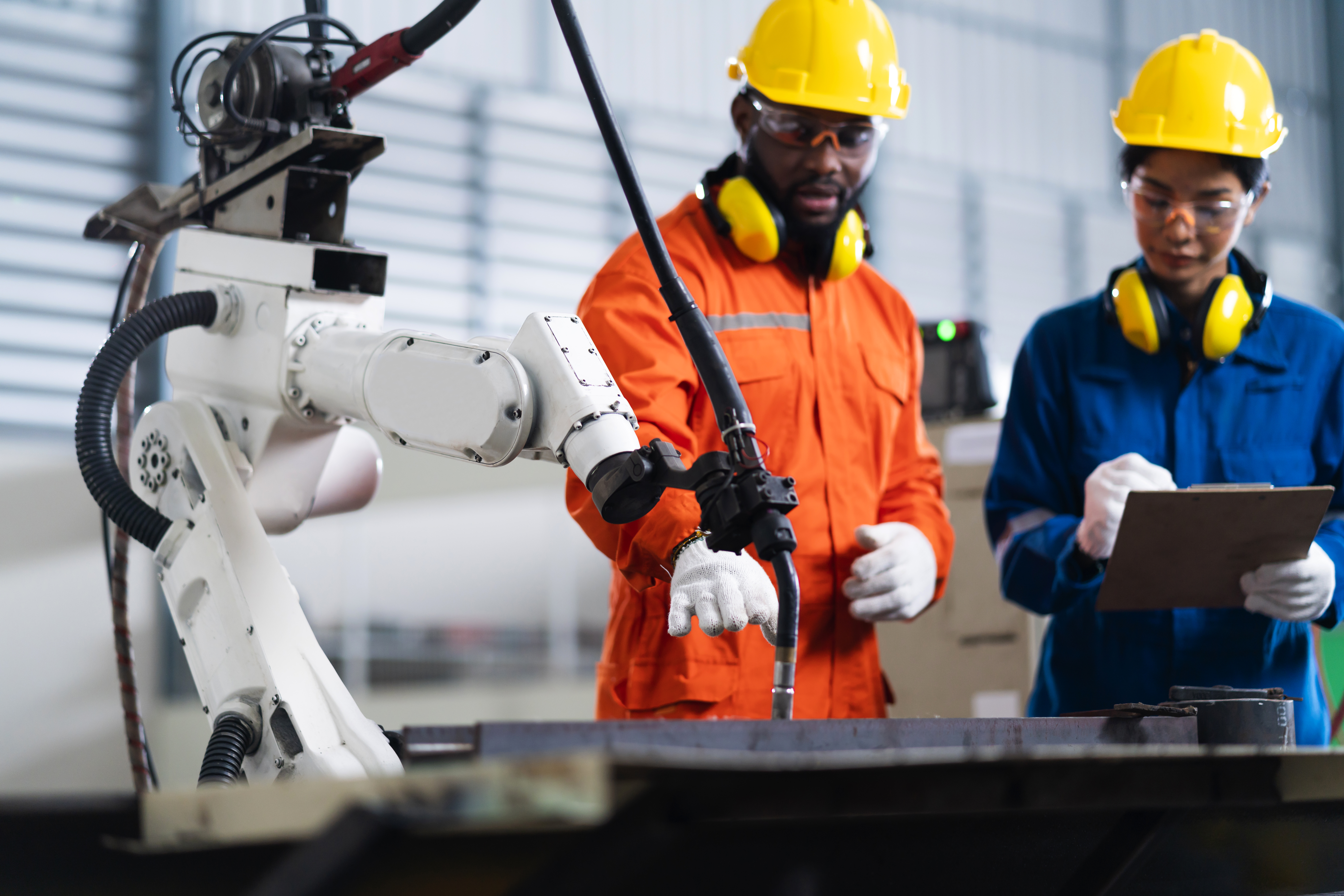
Technology has always transformed the way we work, but the rise of automation and artificial intelligence (AI) is different. Unlike past shifts, automation is replacing not just physical labour but also repetitive cognitive tasks. Jobs in manufacturing, finance, customer service, and even law are evolving rapidly. In this environment, one-off qualifications are no longer enough , continuous learning is now essential for career growth and job security.
The Impact of Automation on Careers
Automation is changing job roles rather than simply eliminating them. While some positions may disappear, new ones are being created in areas like data analysis, robotics, and AI development. However, these opportunities demand new skills that traditional education alone cannot provide. Lifelong learning helps professionals stay ahead of these changes by:
-
Bridging skill gaps created by new technologies.
-
Increasing adaptability in fast-changing industries.
-
Building resilience against job loss through upskilling.
For example, a call centre agent might shift into chatbot management or customer experience design with the right training.
Why Lifelong Learning Matters in the Age of Automation
- Keeps You Employable
Employers value workers who can adapt to change. Lifelong learning ensures your skills remain relevant in a job market shaped by AI and digital tools.
- Supports Career Growth
Learning new technologies, leadership, or problem-solving skills opens doors to promotions and career shifts. Those who upskill are more likely to move into higher-paying roles.
- Encourages Innovation and Creativity
Automation may take over repetitive tasks, but creativity and innovation remain uniquely human. Lifelong learning sharpens critical thinking and encourages fresh ideas, making employees indispensable.
- Promotes Personal Development
Beyond career benefits, lifelong learning boosts confidence, problem-solving ability, and adaptability in everyday life. It prepares you not only for professional success but also for personal growth.

How to Embrace Lifelong Learning
-
Take short online courses in emerging fields like data science, digital marketing, or cybersecurity.
-
Join professional communities to learn from peers and industry leaders.
-
Leverage workplace training offered by employers.
-
Adopt self-directed learning habits, such as reading, podcasts, and webinars.
By making learning part of your routine, you’ll be ready to take advantage of new opportunities as industries evolve.
How iFundi Supports Lifelong Learning in the Age of Automation
At iFundi, we understand that automation and digital transformation are reshaping careers. That’s why we design our programmes to help professionals stay relevant, adaptable, and employable. As a QCTO-accredited training provider, we offer:
-
Future-focused qualifications in areas such as Business Administration, Project Management, and Generic Management.
-
Short courses and skills programmes that allow you to upskill quickly without pausing your career.
-
Flexible learning options, making it easier for working professionals to balance studies with their jobs.
-
Industry-aligned training, ensuring that what you learn matches what employers are looking for in today’s economy.
By choosing iFundi, you are not just earning a certificate, you’re investing in continuous growth that prepares you for a career where human creativity, leadership, and adaptability are irreplaceable.
Key Takeaways
-
Automation is reshaping jobs, making continuous upskilling vital.
-
Lifelong learning ensures employability, adaptability, and career growth.
-
Investing in your education helps you stay ahead of technological changes.
-
Learning is not just about career, it supports personal growth and resilience.
Explore More on These These Topics
People Also Ask (FAQ)
How often should I upskill or reskill?
Continuously. Practically, aim for a quarterly micro-goal (new tool or certificate every 90 days) and a larger annual goal (a full course or qualification).
Which jobs are most affected by automation?
Repetitive, rules-based tasks (data entry, basic admin, routine support) are most exposed, while roles emphasizing problem-solving, people skills, creativity, and tech oversight are growing.
What are affordable ways to start?
egin with free MOOCs, webinars, and employer training; add low-cost micro-credentials or short courses from reputable providers like iFundi to formalize your learning.
Which skills are hardest to automate?
Critical thinking, communication, leadership, design thinking, stakeholder management, and ethical decision-making, pair these with basic tech fluency for the best ROI.
Written by Suprise Fakude, Content Specialist at iFundi. She holds a Marketing degree from the Vaal University of Technology and specialises in SEO-driven content creation. Suprise focuses on producing content that not only ranks but also resonates, connecting learners with practical opportunities to upskill and thrive in South Africa’s changing world of work.