
10, July 2026
Fariba Bowen
5 -minute read
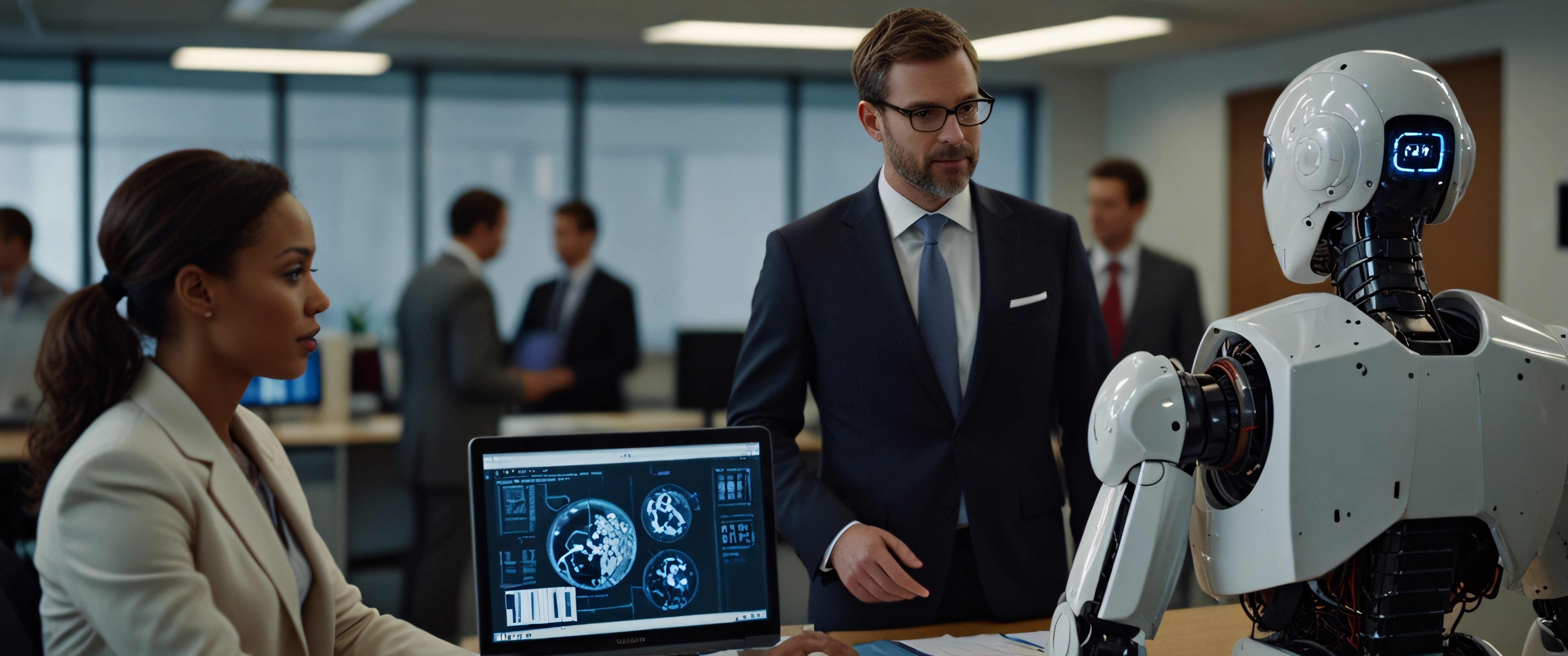
SANDTON 10 July 2026 — For HR and training managers, the job of planning for tomorrow’s workforce has changed completely. At an executive workshop hosted by iFundi yesterday, leaders and business strategists answered a critical question: ‘How can HR move away from paperwork and checkboxes to lead a future-ready workforce in the era of Artificial Intelligence?’ The panel agreed that treating skills planning as a once-a-year, box-ticking exercise is over. The need for HR to abandon business-as-usual approaches and to reposition skills development as a primary driver of corporate strategy was highlighted.
True organizational resilience in the AI era requires leaders to move away from traditional, static paperwork and instead use modern, predictive planning tools to actively help employees, especially young workplace entrants, master rapidly changing technologies. Ultimately, HR and training managers must step into strategic leadership roles, confidently aligning every development initiative to speak the boardroom language of business effectiveness and real return on investment.
Redefining Human Capital as a Competitive Advantage
Workshop host Zanele Ngwenya anchored this technological shift in human terms, reminding attendees that people remain the ultimate engine of organisational success. “No matter how advanced technology has become, people remain the heart of every success in an organization,” Ngwenya stated, urging HR leaders to advocate for sustained human capital investments today to ensure organisational viability tomorrow.
Building on this, Transformation and Skills Development Leader Anusha Mariemuthu challenged training managers to re-evaluate their core metrics. ‘Are you really shifting paradigms? Are you really changing things? Are you really moving the needle in your organization?’ Mariemuthu asked. She pushed for a fundamental mindset shift: training must move from a siloed cost centre to a tool for strategic advantage, intentionally designed to align with broader business growth and deliver measurable operational impact.
Navigating the AI Landscape: The HR Risk Matrix
Providing the macroeconomic context, iFundi co-founder and CEO Stefan Lauber demystified the global debate surrounding AI and its direct implications for talent management. Lauber outlined three macro-perspectives currently shaping the future of work:
The Exponential View: Tech leaders like Sam Altman (OpenAI) foresee an explosive growth trajectory that will rapidly accelerate business scalability and global productivity.
The Doom & Gloom View: Industry realists like Dario Amodei (Anthropic) warn that advanced automation could displace up to half of entry-level white-collar roles within the next one to five years.
The Sceptical Institutional View: Nobel Laureates Daron Acemoğlu and Christopher Pissarides note that massive sectors like healthcare remain unexposed to automation, keeping macro productivity steady. Acemoğlu warns that over-automating human critical thinking can lead to a corporate “knowledge collapse,” where a company merely recycles legacy data rather than innovating.
For HR managers, Lauber’s core takeaway was actionable: the real operational threat is not that technology will replace human workers, but that AI-literate professionals will replace un-upskilled ones. As work transitions from Assisting AI tools to autonomous Agentic AI systems, HR leaders must practice “anticipatory leadership”. Because deep corporate experience is a function of time and cannot be fast-forwarded, HR must implement proactive training pathways today to avoid severe internal talent shortages tomorrow.
Speaking the Language of the Boardroom
Synthesizing the modern operational mandate for HR, Academic Director Joel Perry delivered a candid directive regarding how L&D professionals must position themselves to executive committees. “As a training manager, you are not a compliance manager. You’re not a tick box manager,” Perry asserted. “You need to put on the hat of a leader… able to talk to other executives in their language… and that language is called a return on investment.” While national legislative compliance remains a necessity, Perry emphasized that training programmes must be justified, measured, and celebrated by their direct contribution to achieving the company’s overarching strategic goals.
The HR Action Plan: Strategic Skills Mapping
To help managers bridge the gap between compliance and future-focused development, iFundi has introduced the Digital Workplace Skills Planner. In a shifting labor market, digital innovations in workplace skills planning are essential tools for keeping employee skills relevant, as traditional static reviews fail to capture the exponential pace of technological change. The iFundi planner empowers employers by delivering predictive gap analysis to transition teams to Agentic AI competencies, mapping high-ROI training pathways tailored to organizational growth, and translating development metrics into transparent boardroom ROI forecasting

Fariba Bowen
Economic Development Specialist at iFundi
Fariba Bowen is iFundi’s Economic Development Specialist, combining a background in development finance, enterprise development, and B-BBEE advisory to help organisations make a lasting socioeconomic impact. She works with corporates, NGOs, and development finance institutions to design ESD programmes, learnerships, and bursary initiatives that simultaneously drive B-BBEE scorecard improvement and create genuine economic opportunity for South Africans.